Compare the listing across the web
Search the exact address and distinctive phrases from the description. Compare price, availability, broker or management information and photographs across established listing sources.
Remote renter verification
When you cannot visit a NYC rental yourself, verify the listing, the person offering it, the physical unit and every payment request as separate pieces of evidence.
Have Gander view it →Independent local documentation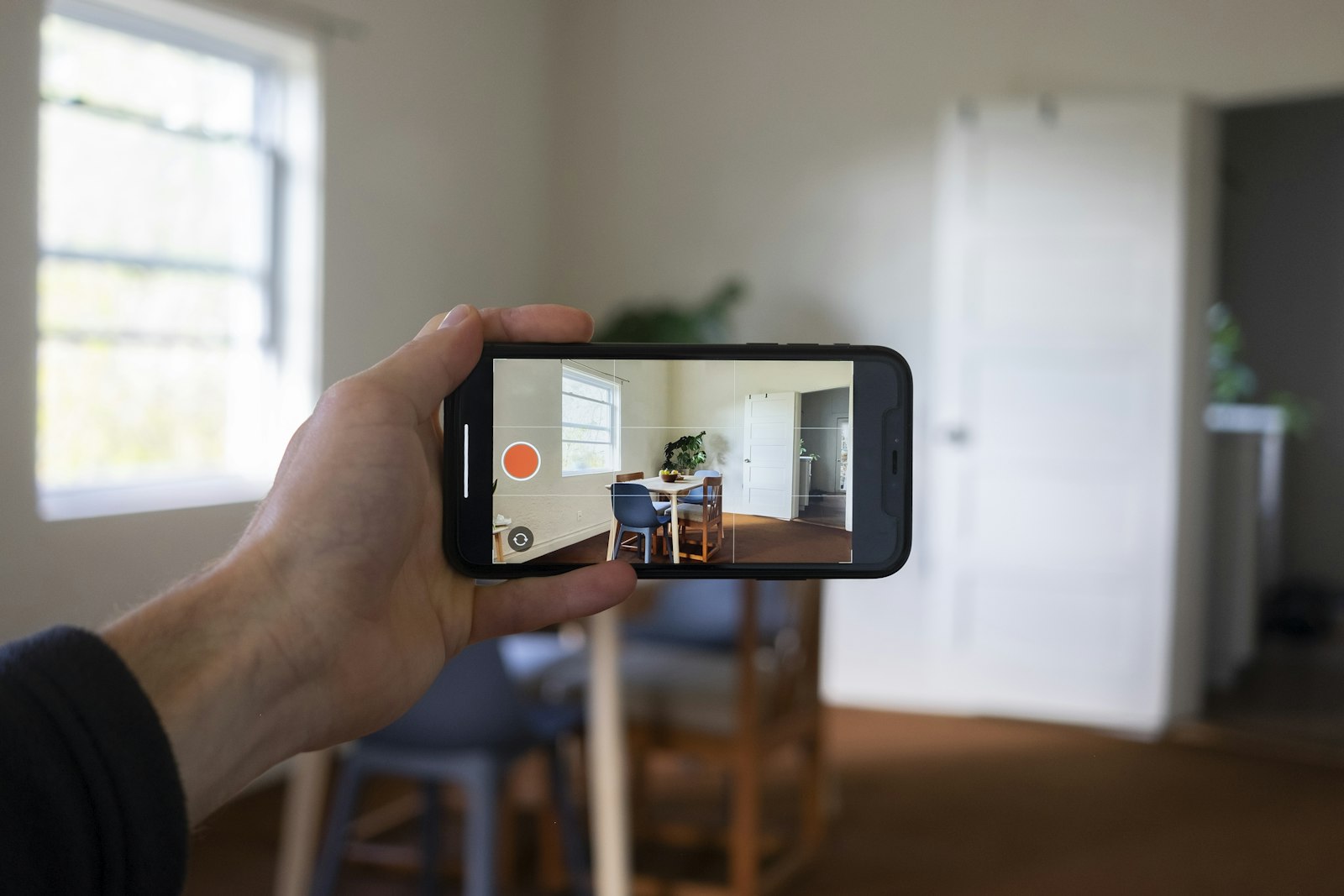 A real visit is one part of verification
The core rule
A professional-looking listing can be copied. A real address can be used by someone who has no authority to rent it. A video can be old. Verification becomes stronger when independent facts agree: the listing history, identity of the contact, access to the exact unit, lease information and destination of the payment.
Search the exact address and distinctive phrases from the description. Compare price, availability, broker or management information and photographs across established listing sources.
Confirm the company, broker, owner or authorized representative through contact information you found independently—not only the number or link sent in a message.
A live showing of the exact unit provides evidence of access, but it is not sufficient by itself. Confirm who will meet the viewer and what their role is.
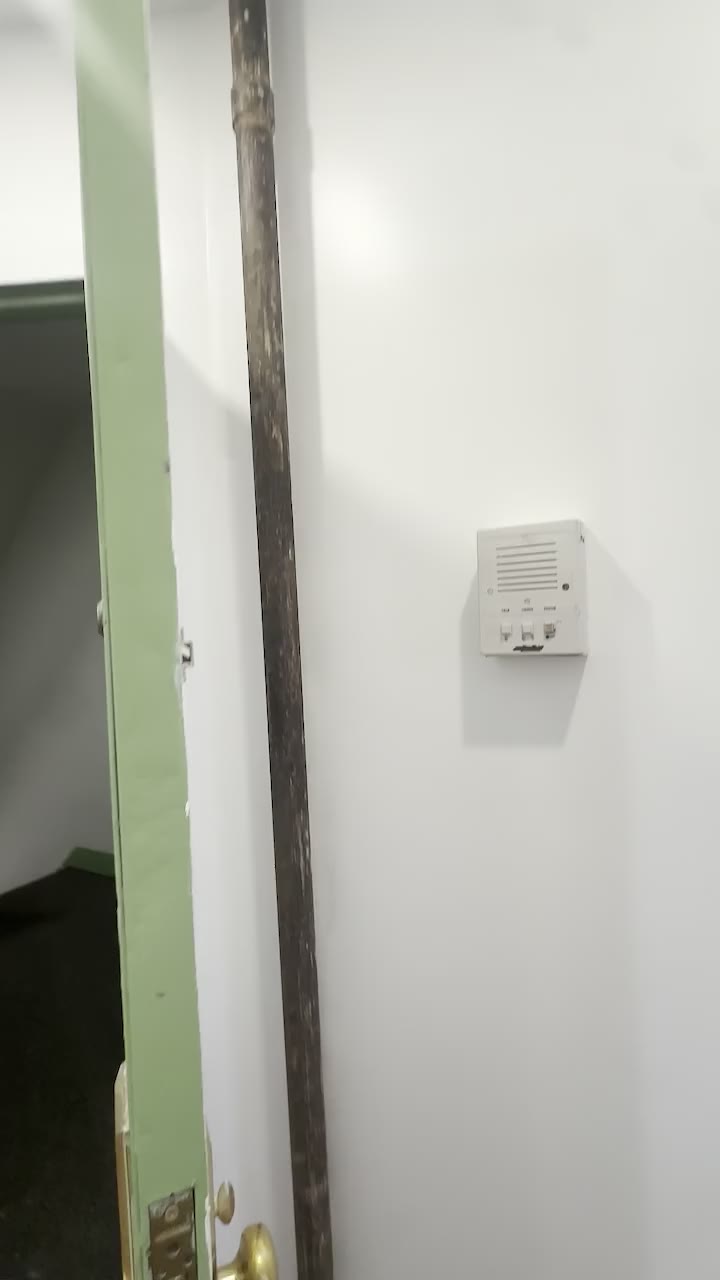
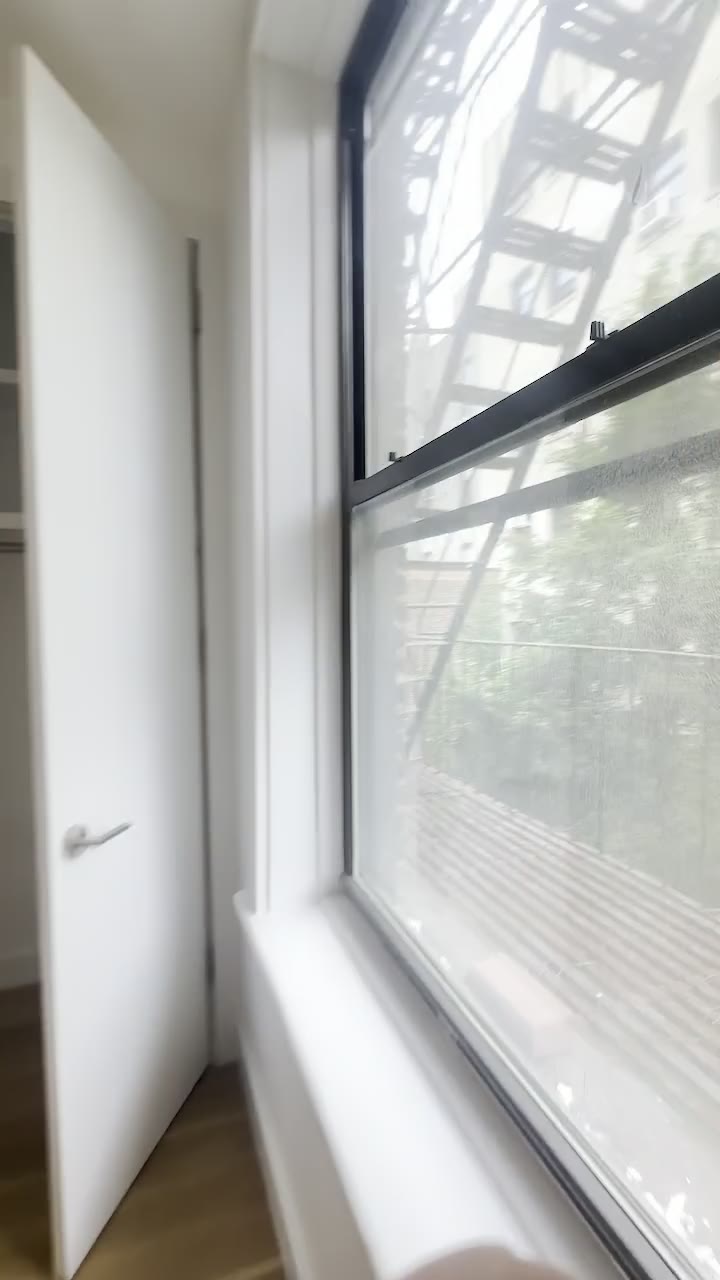
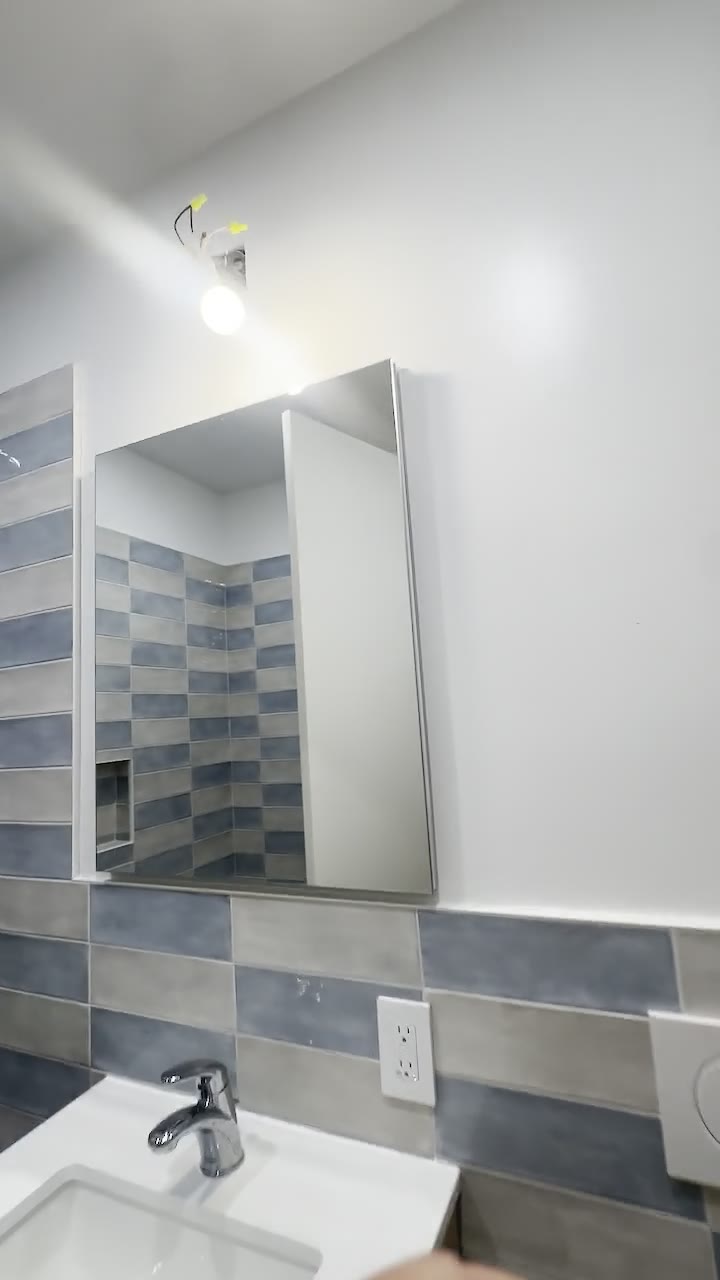
Compare the doorway, room layout, windows, finishes, appliances and views against the listing. Ask for a continuous walkthrough instead of disconnected clips.
Names, entity information, unit details and payment instructions should agree. Treat pressure, unexplained changes and requests for irreversible payment as reasons to stop and investigate.
Save the listing, messages, names, phone numbers, documents and receipts. If the facts change, the record helps you identify the inconsistency and report it.
What an in-person viewer adds
A local viewing does not validate a lease or guarantee legitimacy. It can, however, document the exact apartment, the person providing access and whether the physical space matches the listing.
Stop and verify
You are told to pay immediately because another renter is waiting, while ordinary questions or verification requests are avoided.
The names, company, email domain, lease, payment recipient and person providing access do not tell one consistent story.
The contact repeatedly refuses a live or in-person showing, claims to be permanently unavailable or substitutes unrelated footage.
You arrange the confirmed showing. Gander attends and documents the apartment, building and immediate block.
Book a tour for $125 →